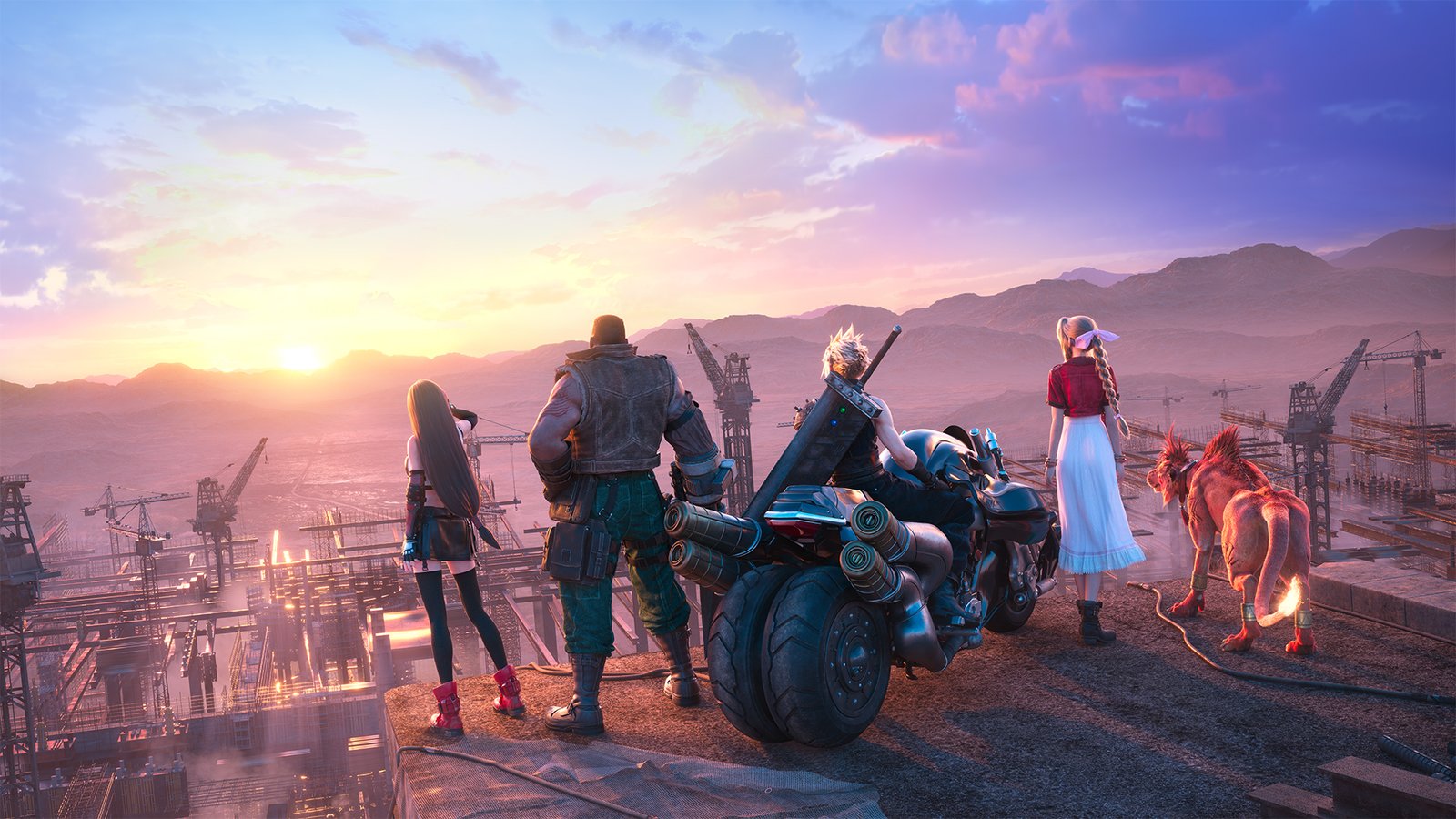
Redesigning the Past
How Video Game Developers Reimagined Story, Music, and Game Mechanics in Remakes
INTRODUCTION

Persona 5 Royal Newcomer: Kasumi Yoshizawa
With the introduction of a new industry, augmented technology, and an evolving player base, video game developers have better opportunities and resources to revisit and reshape the worlds they have created by developing remakes. Not to be confused with reboots, ports, and remasters, video game remakes are categorized as an original game built anew, typically made from scratch with a different engine for modern platforms, and has a different experience from the initial title while exploring a portion of the original plot or an extension to the plot in addition to the original story. When developers decide to design a remake, they cannot simply just rebuild the same game in a new engine; they must balance their need for preserving the original experience with the idea of reinvention for a new era of gaming.
Modern technology has spoiled audiences with fantastic visual and audio design as well as better gameplay standards; consequently, audiences have begun to expect more innovation from new games and critique these new games much more harshly than the previous generation of games. This consequence is reflected by Kyle Worrall’s observations around music redesign in Final Fantasy VII Remake. He illustrates how listener fatigue, the desensitization to enjoyment due to repetitive or overused audio, has become a problem for players experiencing current games, especially since overused audio now offers dwindling nostalgic benefits.1 Thus, composers are heavily encouraged to utilize new techniques when creating music for longer, modern games not only to capture the essence of the original, but also to adapt the source material to fit newer audience expectations.
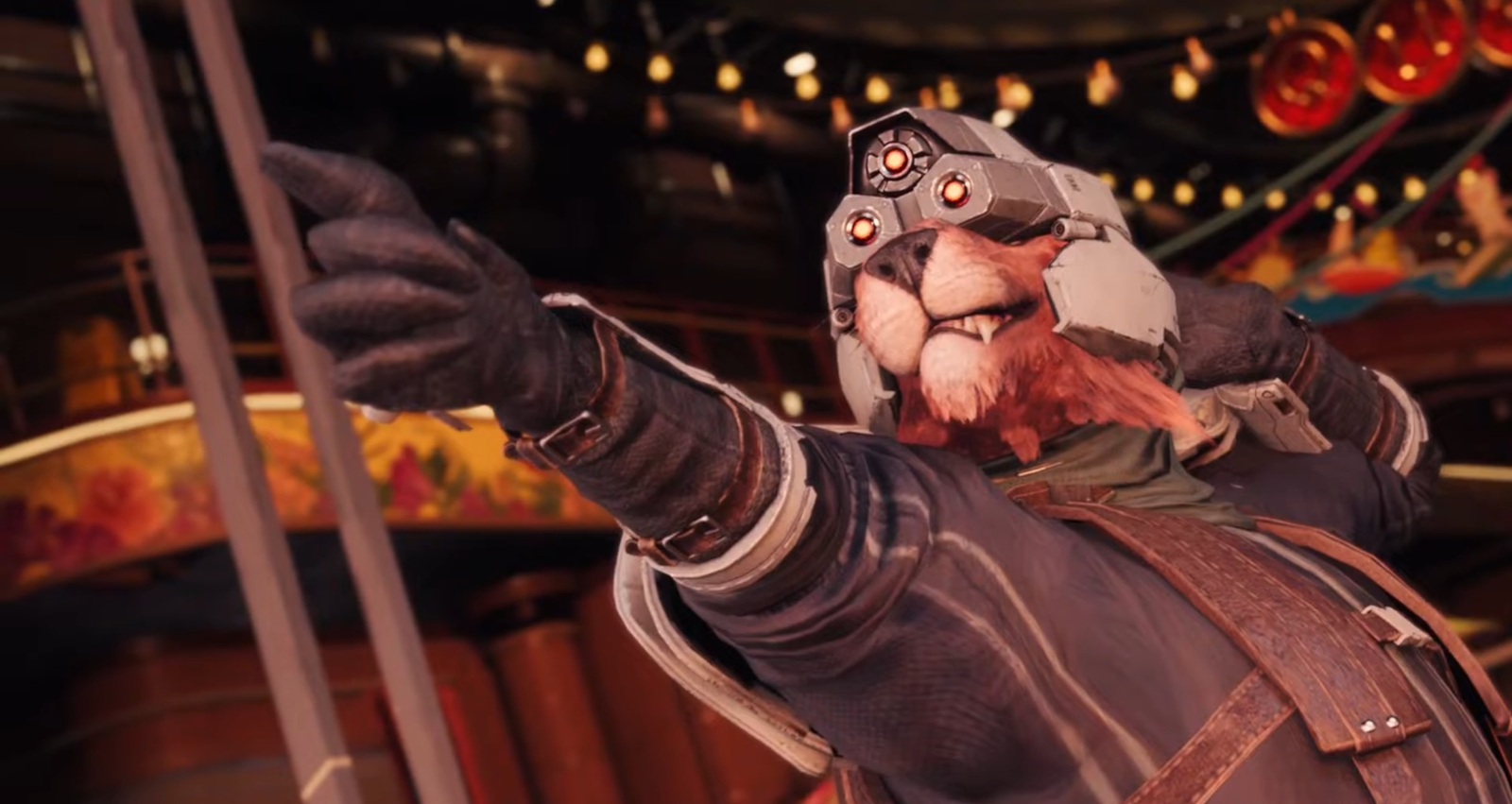
Red XIII from FFVII Rebirth making his grand entrance to the Queen’s Blood Tournament
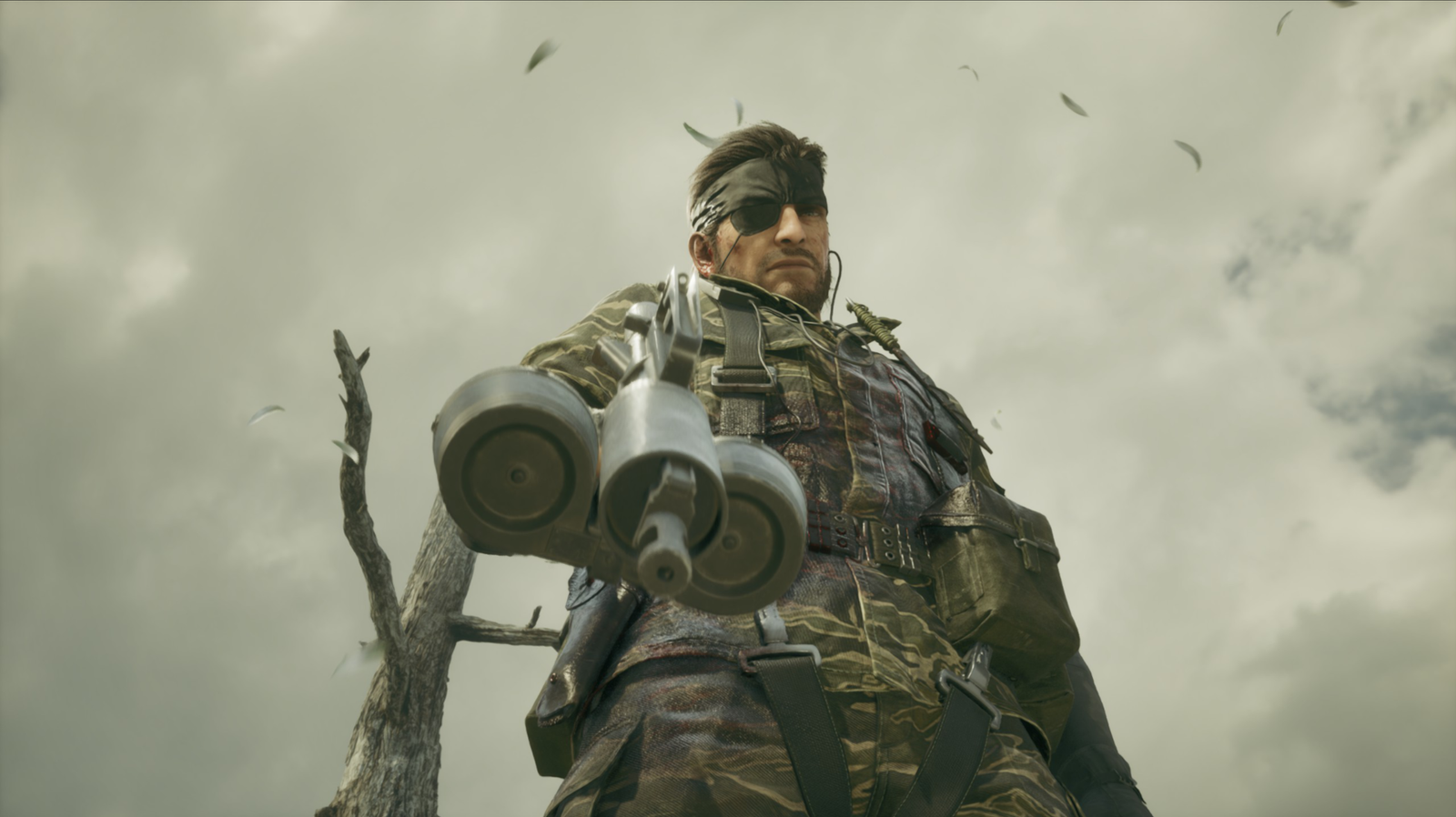
Naked Snake is triumphant against his battle with The Boss
As a result, developers behind video game remakes must be more vigilant about what elements of the original story, music, and mechanics to keep, throw away, or completely redesign without losing the game’s original identity. This designing pressure becomes clear in Ben Jessey’s discussion of Metal Gear Solid Delta: Snake Eater, where most of the significant changes, such as on-screen tips, integrating modern shooting standards, and changing mechanics for more fast-paced gameplay, illustrate the remake’s desire to align with current game design standards.2
This website examines the specific differences between each original installment and its remake by analyzing how developers transformed narrative, musical, and mechanical elements. Because each remake approaches redesign differently, this exhibit is organized by game rather than by theme; the video game remakes examined in this project include Persona 5 Royal, Final Fantasy VII Rebirth, and Metal Gear Solid Delta: Snake Eater. The comparison focuses on poster and cover art, in-game sound, and gameplay screenshots. The subsequent sections compare the remakes to their original counterparts, showcasing how evolving expectations and creative priorities influenced the redesigned narrative, musical, and mechanical elements.
EXPLORE


Works Cited
- 1 Worrall, Kyle. “Final Fantasy VII Remake: Music Redesign for Evolved Expectations Across Console Generations.” Utk.Primo.Exlibrisgroup.Com, 1 Oct. 2024, https://utk.primo.exlibrisgroup.com/permalink/01UTN_KNOXVILLE/9go8o8/cdi_crossref_primary_10_1525_jsmg_2024_5_4_34.
- 2 Jessey, Ben. “The Biggest Differences between Metal Gear Solid Delta: Snake Eater and the Original Game.” TheGamer, TheGamer, 7 Sept. 2025, www.thegamer.com/metal-gear-solid-delta-snake-eater-original-game-biggest-differences/.
- Microsoft Copilot was used in the composition of this introduction, as a guide. Copilot offered a general overview on what great, more official archival museum introductions needed to contain and proposed conciseness revisions, which the author utilized and tweaked respectively.
Header
- De Meo, Francesco. 18 May 2021. Wccftech, https://wccftech.com/final-fantasy-vii-remake-intergrade-new-screenshots-showcase-ramuh-fort-condor-and-more/. Accessed 22 Feb. 2026.
Backgrounds
- Amagana1. 27 Mar. 2024. All Gold Saucer Mini-Games – Final Fantasy 7 Rebirth Guide – IGN, https://www.ign.com/wikis/final-fantasy-7-rebirth/All_Gold_Saucer_Mini-Games. Accessed 22 Feb. 2026.
- Maruki’s Palace | Megami Tensei Wiki | Fandom, https://megamitensei.fandom.com/wiki/Maruki%27s_Palace. Accessed 22 Feb. 2026.
- Niijima’s Palace | Megami Tensei Wiki | Fandom, https://megamitensei.fandom.com/wiki/Niijima%27s_Palace. Accessed 22 Feb. 2026.
- Thibaut. 1 July 2025. Metal Gear Solid Delta: Snake Eater Gets a New Clip Focusing on Infiltration, https://news.instant-gaming.com/en/articles/13489-metal-gear-solid-delta-snake-eater-gets-a-new-clip-focusing-on-infiltration. Accessed 22 Feb. 2026.
Pictures
- Bazzy Enix. “Final Fantasy VII Rebirth Funniest Red XIII On Boat.” YouTube, YouTube, 11 Mar. 2024, www.youtube.com/watch?v=_V24TZ1V9oo. Accessed 22 Feb. 2026
- Leafpenguins. 5 Nov. 2019. Kasumi Yoshizawa Persona 5 Royal Render by Leafpenguins on DeviantArt, https://www.deviantart.com/leafpenguins/art/Kasumi-Yoshizawa-Persona-5-Royal-Render-819271794. Accessed 22 Feb. 2026.
- Minor, Jordan. 26 Aug. 2025. Metal Gear Solid Delta: Snake Eater Review: Impressive New Look, Same Classic Mission, https://www.pcmag.com/reviews/metal-gear-solid-delta-snake-eater. Accessed 22 Feb. 2024.
Explore
- Asgartinus. Persona 5 Royal Cover Art Enhance Resolution + PNG Version : R/Persona5, https://www.reddit.com/r/Persona5/comments/pe8j4f/persona_5_royal_cover_art_enhance_resolution_png/. Accessed 14 Feb. 2026.
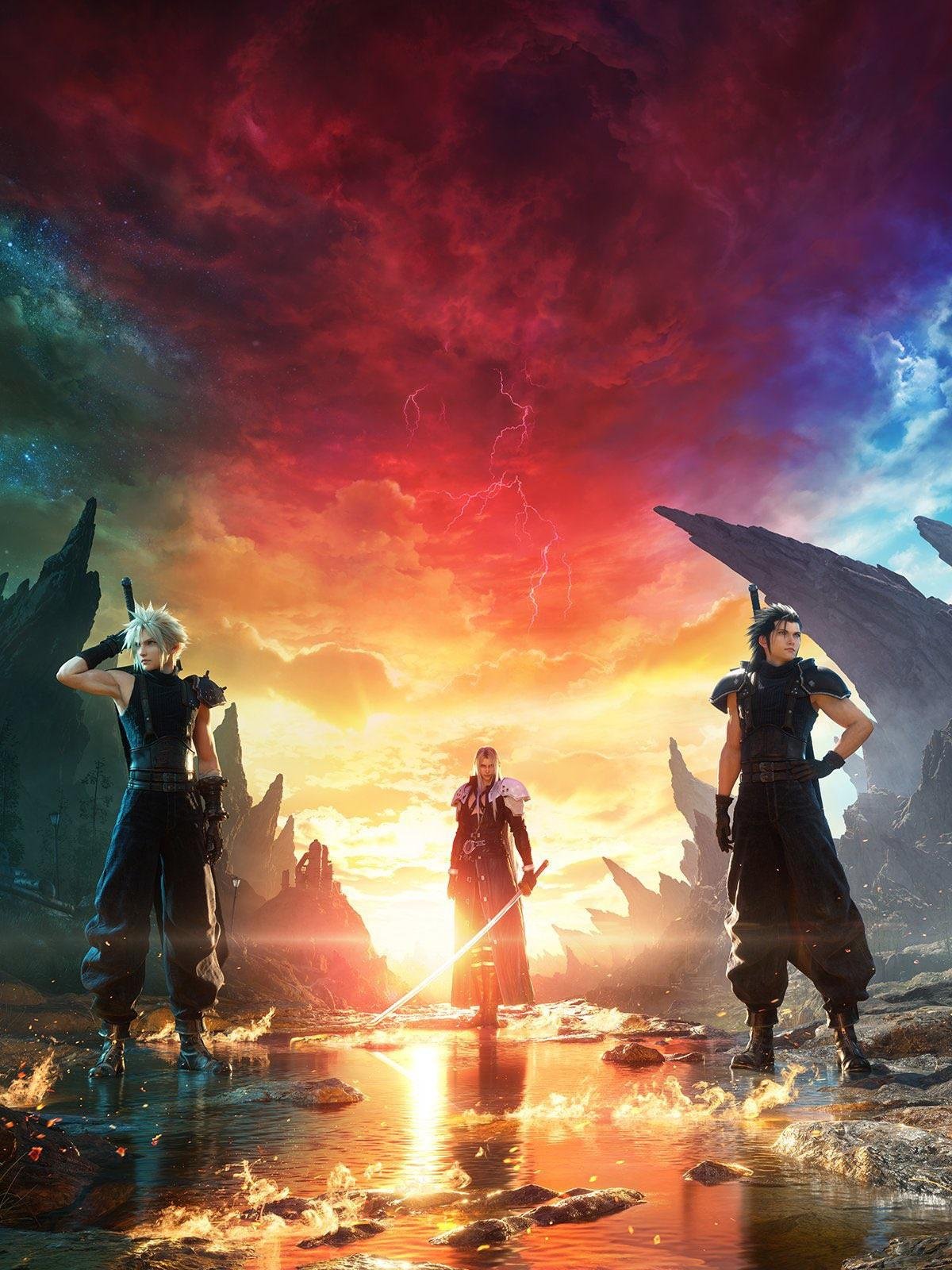
- BeastXredefined. FFVII Rebirth Box Art : R/FinalFantasy, https://www.reddit.com/r/FinalFantasy/comments/1bnm1hx/ffvii_rebirth_box_art/. Accessed 14 Feb. 2026.
- Thibaut. 9 June 2024. Metal Gear Solid Delta: Snake Eater Appears Again with Lots of Gameplay, https://news.instant-gaming.com/en/articles/6836-metal-gear-solid-delta-snake-eater-appears-again-with-lots-of-gameplay. Accessed 28 Feb. 2026.